Wasps · 2 min read
The Wasp Year: What Happens to a Colony From Spring to Winter
Why do wasps seem harmless in May and relentless by August? The answer lies in how a colony grows, peaks and dies each year.
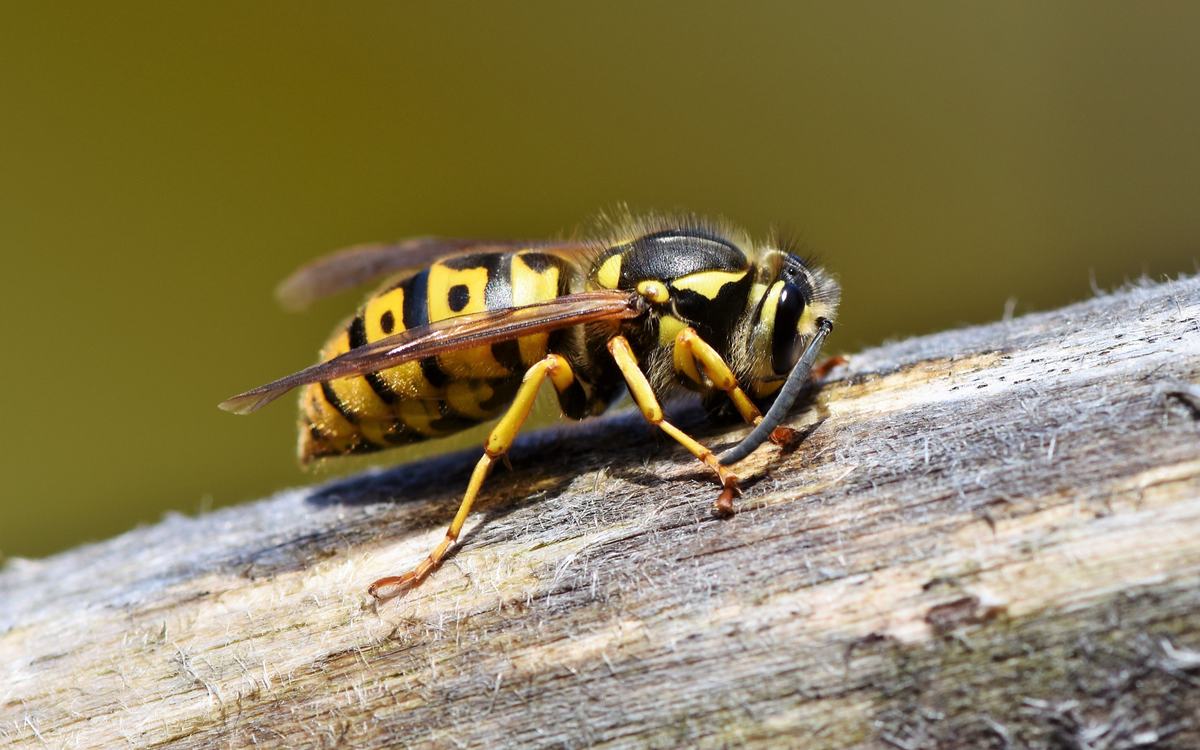
Every wasp you see buzzing round a pint glass in late summer belongs to a colony that started with a single insect months earlier. Understanding the wasp year explains why timing matters so much for nest control.
Spring: one queen starts alone
A mated queen wakes from hibernation as the weather warms. She looks for a sheltered spot such as a loft, shed, hollow tree or old burrow, chews wood into pulp and builds a small paper nest. Her first batch of eggs hatches into workers, and old nests are never reused, even if they survive the winter.
Early summer: the workers take over
Once the first workers emerge, the queen stays inside and lays eggs while her daughters expand the nest and bring home food. At this stage they hunt caterpillars, flies and other insects to feed the grubs. This is the season when wasps are at their most useful in the garden, and also when a nest is smallest and easiest to deal with.
Late summer: peak numbers and a change of diet
By August a nest can hold thousands of wasps. The queen starts producing new queens and males, and the grubs stop producing the sugary liquid the workers rely on. With that supply gone, the workers go looking for sweet food elsewhere, which is why they swarm around fruit, fizzy drinks and ice cream, and why they can seem so irritable.
Autumn: the colony falls apart
New queens mate and leave to find somewhere to hibernate. The males die soon after, and the original colony starts to weaken. Food is harder to find, and the remaining workers can become more persistent around bins and picnics.
Winter: only the new queens survive
The old queen and every worker die as temperatures drop. Only the mated young queens survive, tucked away in log piles, wall cracks and lofts. Come spring, the cycle begins again.
What it means for your home
- Check lofts, sheds and garages in spring for small early nests
- Seal gaps around the roofline before queens settle in
- Treat a nest early rather than waiting for late summer
- Keep sweet food and drinks covered outdoors from July onwards
- Do not worry about last year's nest, as it will not be reused
If you find an active nest at any point in the season, read our guide on what to do about a wasp nest or contact our Abingdon team for a safe, fixed-price wasp treatment.