Wasps · 2 min read
Found a Wasp Nest? Your Safe Options Explained
A buzzing roof space or a stream of wasps at the eaves can mean a nest. Here is what to do, what to avoid and when to call a professional.
Discovering a wasp nest at your home is rarely welcome news. Before you reach for a can of spray, it helps to know what you are dealing with and which options are actually safe.
Keep calm and keep your distance
The worst thing you can do is poke, block or spray a nest. Wasps defend their colony quickly, and a disturbed nest can send dozens of insects your way in seconds. Keep children and pets away from the area and avoid standing in the flight path.
Where nests are usually found
- Lofts, eaves and soffits
- Wall cavities and air bricks
- Sheds, garages and outbuildings
- Old rodent burrows and holes in the ground
- Dense hedges and trees
Check it really is a wasp nest
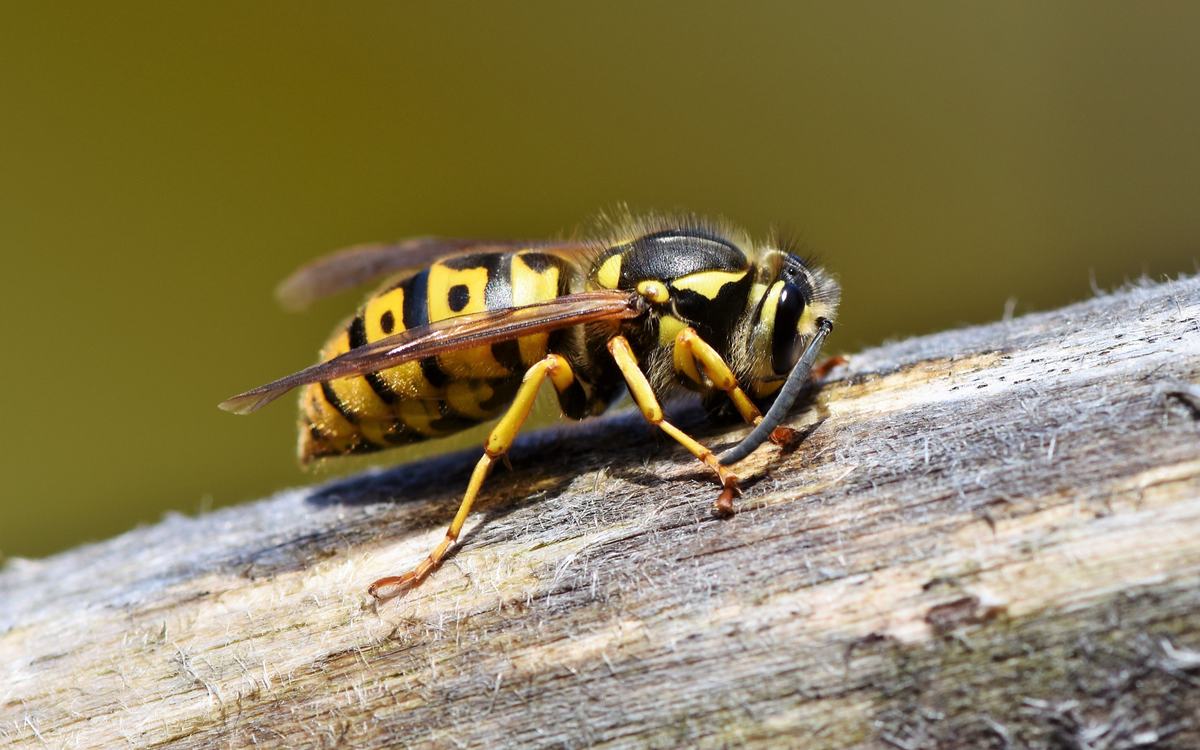
Wasps are slim and smooth with bright yellow and black bands, and their nests have a grey, papery look. Honey bees and bumblebees are rounder and furry. Bees are important pollinators and should not be treated like wasps, so if you are unsure, take a clear photo from a safe distance and ask for advice first.
Do you need to remove it at all?
Not always. A wasp colony only lasts one season (see how a colony grows and dies), and the insects die off as the weather turns cold. If a nest is high in a tree or far from doors, windows and play areas, some people choose to leave it alone. A nest close to your home, in a roof space or by an entrance is a different story and is best dealt with early.
Why home removal is risky
- A nest can hold thousands of wasps by late summer
- Working from a ladder while being stung is a serious fall risk
- Spray can make survivors more aggressive without destroying the colony
- A sting to the face or mouth, or an allergic reaction, can become an emergency
What a professional visit involves
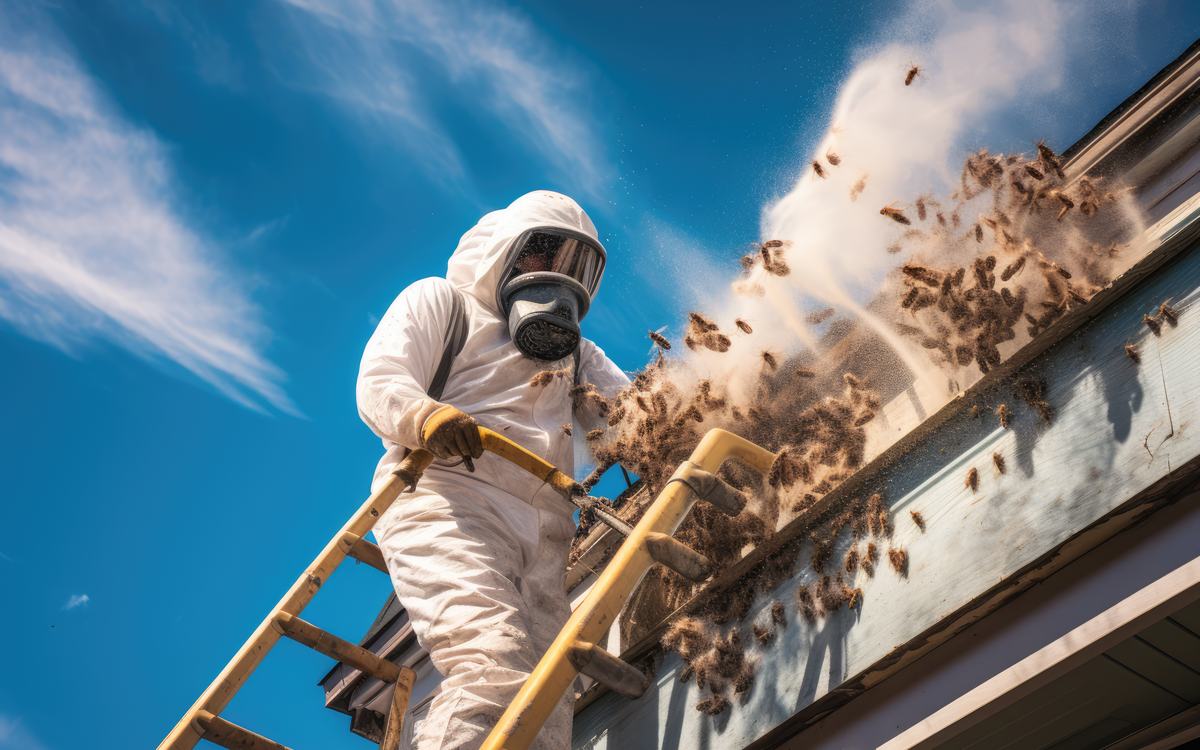
A trained technician will find the nest, wear full protective clothing and treat it with products suited to its size and location. Wasps may keep returning for a short while afterwards, so the nest should be left undisturbed. Where needed, the nest is removed and entry points are sealed to discourage a repeat.
If someone is stung
- Move away calmly from the nest
- Wash the area with soap and water and apply a cold compress
- Ease itching with an antihistamine or hydrocortisone cream from a pharmacist
- Call 999 straight away for difficulty breathing or swelling of the face, tongue or throat
Stopping next year's nest
Queens look for sheltered, undisturbed gaps in spring. Sealing cracks around the roofline, fitting mesh over air bricks and checking sheds and lofts in April and May goes a long way. If you do find a problem, our wasp nest removal service in Abingdon is available seven days a week. You can also request a free quote online.