Bed Bugs · 2 min read
How to Get Rid of Bed Bugs: A Practical Action Plan
Washing, vacuuming, steam and the right order of work can all help. This step-by-step plan shows what to do and where DIY stops working.
Finding bed bugs is stressful, but a calm, methodical response makes a real difference. Here is a practical order of work, along with an honest look at when professional help is the better route.
Step 1: Confirm what you have
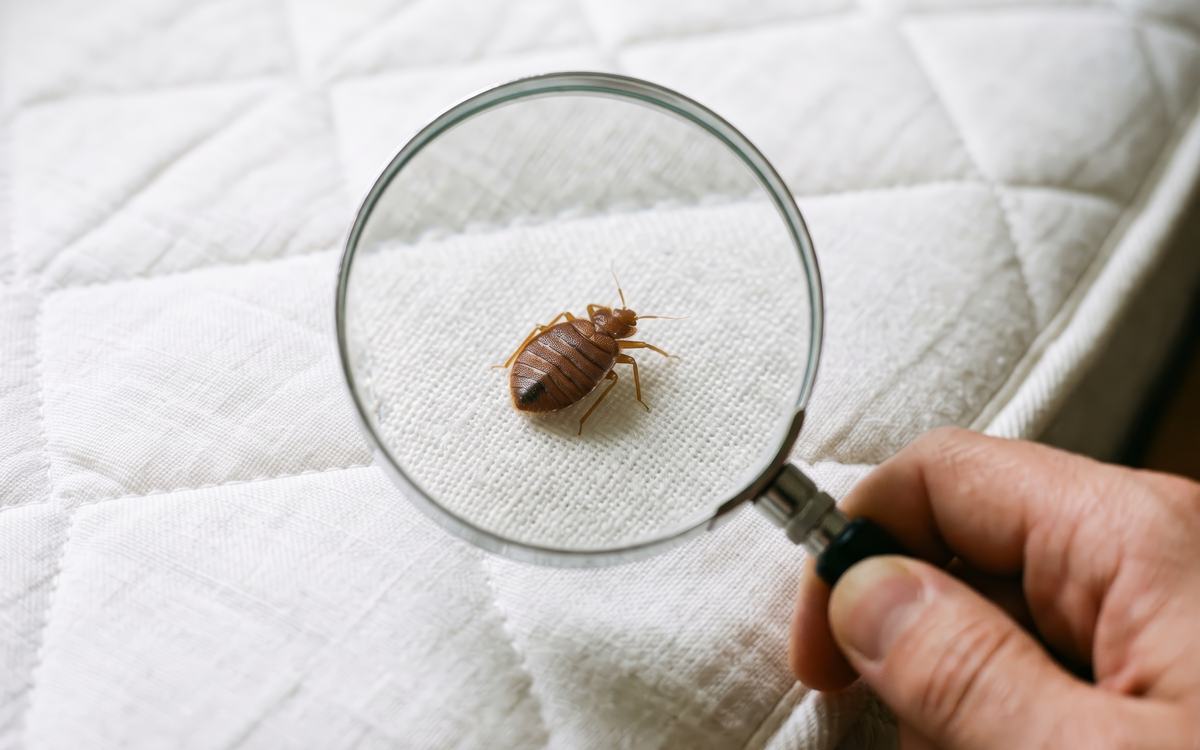
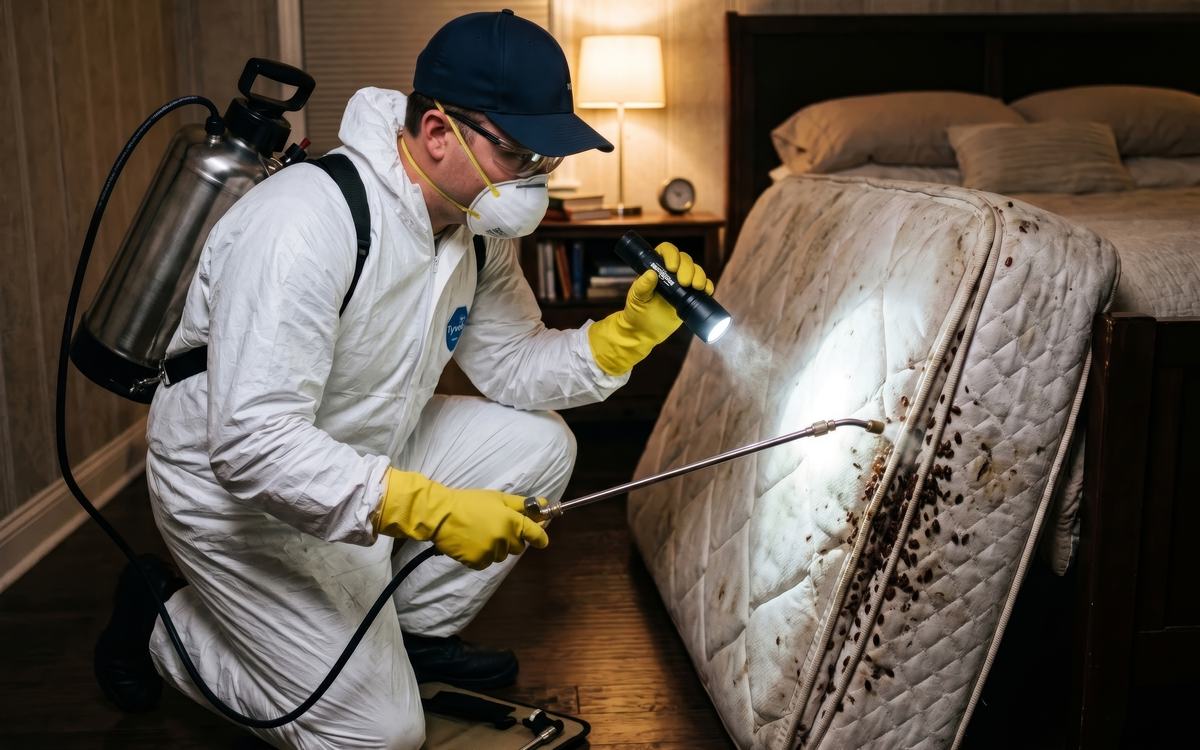
Check mattress seams, the bed frame, the headboard and the gaps behind skirting boards with a torch. Look for live insects, pale eggs, shed skins and small dark spots. A stiff card run along crevices can bring hidden bugs into view. Interceptor cups under the bed legs help you see whether bugs are climbing up.
Step 2: Contain the problem
- Do not carry bedding or clothes from room to room
- Seal items in plastic bags before moving them
- Avoid sleeping on the sofa or in another room, which can spread bugs
- Do not throw out a mattress without wrapping it, or you may spread bugs through the building
Step 3: Use heat on fabrics
Wash bedding, curtains and clothing at 60 degrees, then tumble dry on a hot setting for at least half an hour. Heat is the most reliable method for killing every stage, including eggs. Freezing can work, but only if items stay at around minus 18 degrees for several days, which many home freezers cannot guarantee.
Step 4: Vacuum and steam
Vacuum seams, frames, skirting boards and furniture slowly and thoroughly, then empty the cleaner into a sealed bag and put it in an outside bin. A steam cleaner moved slowly can reach into fabric and cracks without chemicals, but it will not reach everywhere.
Step 5: Fit mattress and box spring covers
Zip-up encasements trap any bugs inside and remove hiding places. Leave them on for at least a year, because bed bugs can survive a long time without feeding.
Step 6: Remove hiding places
- Clear clutter from under the bed
- Move the bed a little way from the wall
- Do not let bedding touch the floor
- Seal cracks in plaster and skirting boards
Why DIY often falls short
Bed bugs hide in tiny gaps, lay eggs that hatch days apart and can resist some off-the-shelf insecticides. Aerosol sprays and foggers can scatter them into new rooms. That is why many infestations come back after a home treatment and why a professional inspection, targeted treatment and follow-up visit usually gets better results.
After treatment
Keep monitoring for several weeks, keep the encasements on and check your luggage and any second-hand furniture before bringing it in. If you would like help, our Abingdon technicians offer flea and bed bug treatment with a free, no-obligation quote. New to the topic? Start with how bed bugs live, feed and spread.