Bed Bugs · 2 min read
Bed Bugs Explained: Life Cycle, Bites and How They Spread
Knowing how bed bugs live, feed and travel makes them much easier to spot early. Here is what every household should know.
Few things are more unsettling than the thought of sharing a bed with insects. The reassuring part is that bed bugs follow a predictable pattern, and once you understand it, they are much easier to deal with.
What a bed bug looks like
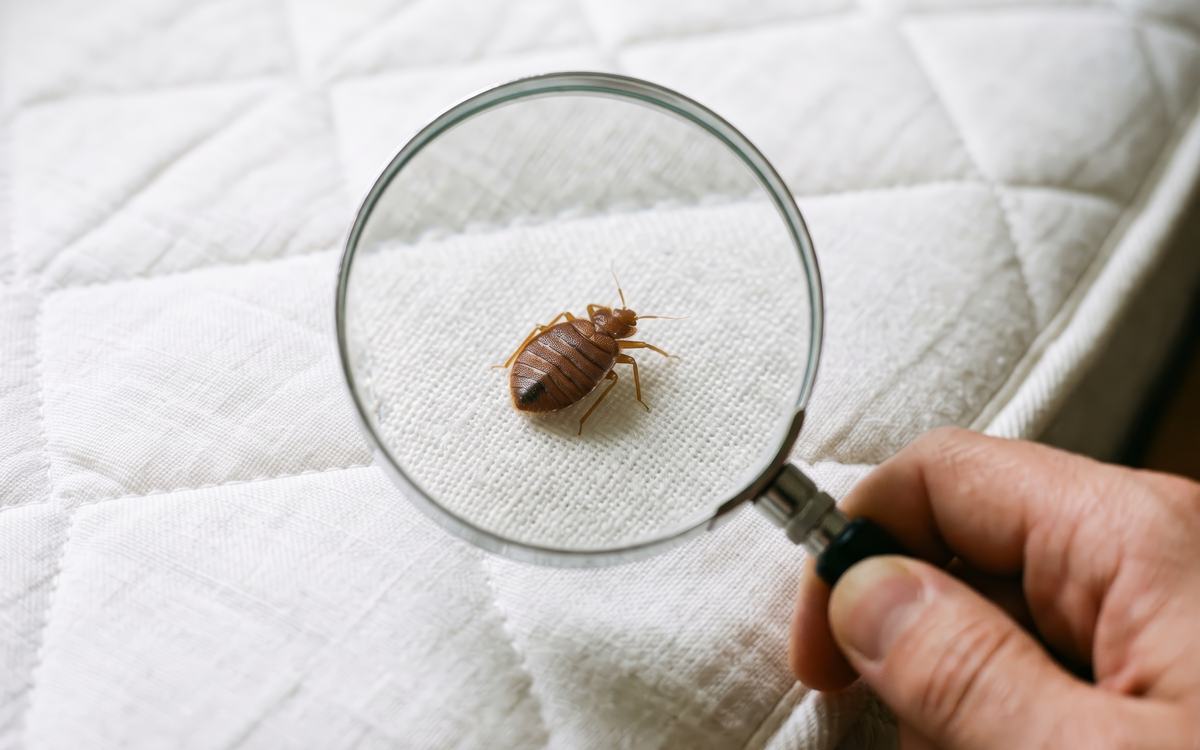
An adult is roughly the size of an apple pip, around 4 to 5mm long, flat, oval and rusty brown. After feeding it becomes darker and more swollen. Young bugs, called nymphs, are smaller and pale. Bed bugs have no wings and cannot fly or jump, so they move by crawling.
The life cycle
- Eggs are tiny, pale and glued into hidden crevices, hatching in around a week to ten days
- Nymphs shed their skin five times and need a blood meal before each stage
- In a warm home they can reach adulthood in roughly one to two months
- A female can lay several hundred eggs during her life
- Adults can live for many months and survive long gaps between meals
That last point matters: leaving a room empty for a few weeks does not make it safe.
Where they hide
Bed bugs stay close to where people sleep. Common spots are mattress seams, bed frame joints, headboards, bedside tables, curtain folds, sofas and the gaps behind skirting boards and loose wallpaper.
How they spread
Bed bugs are hitchhikers. They travel in luggage, clothes, bags and second-hand furniture, and they pass between flats through walls and pipework. Hotels, hostels, trains and cinemas are all possible sources. A bed bug problem has nothing to do with how clean a home is.
What the bites look like
Bites are usually painless at the time and become itchy red marks afterwards, often in a row or cluster on the arms, neck, face or shoulders. Reactions vary a lot, and some people hardly react at all, so bites on their own are not proof. Look for physical signs too:
- Tiny rusty blood spots on sheets
- Small dark specks on the mattress
- Pale shed skins
- A sweet, musty smell in heavy infestations
Looking after bites
Wash the area with cool water and avoid scratching. A pharmacist can recommend anti-itch cream or antihistamines, and you should see a doctor if the skin looks infected or the reaction is severe.
What to do next
If you think you have bed bugs, act early, because numbers grow quickly. Our inspection confirms the pest first, and we then treat and follow up so the problem is fully cleared. Take a look at our flea and bed bug treatment page for more information, or read our step-by-step plan for getting rid of bed bugs.