Rats and Mice · 2 min read
Rats and Mice at Home: Warning Signs, Risks and What to Do
Scratching at night, droppings in cupboards or a gnawed cable? Learn how to read the signs and what to do before the problem grows.
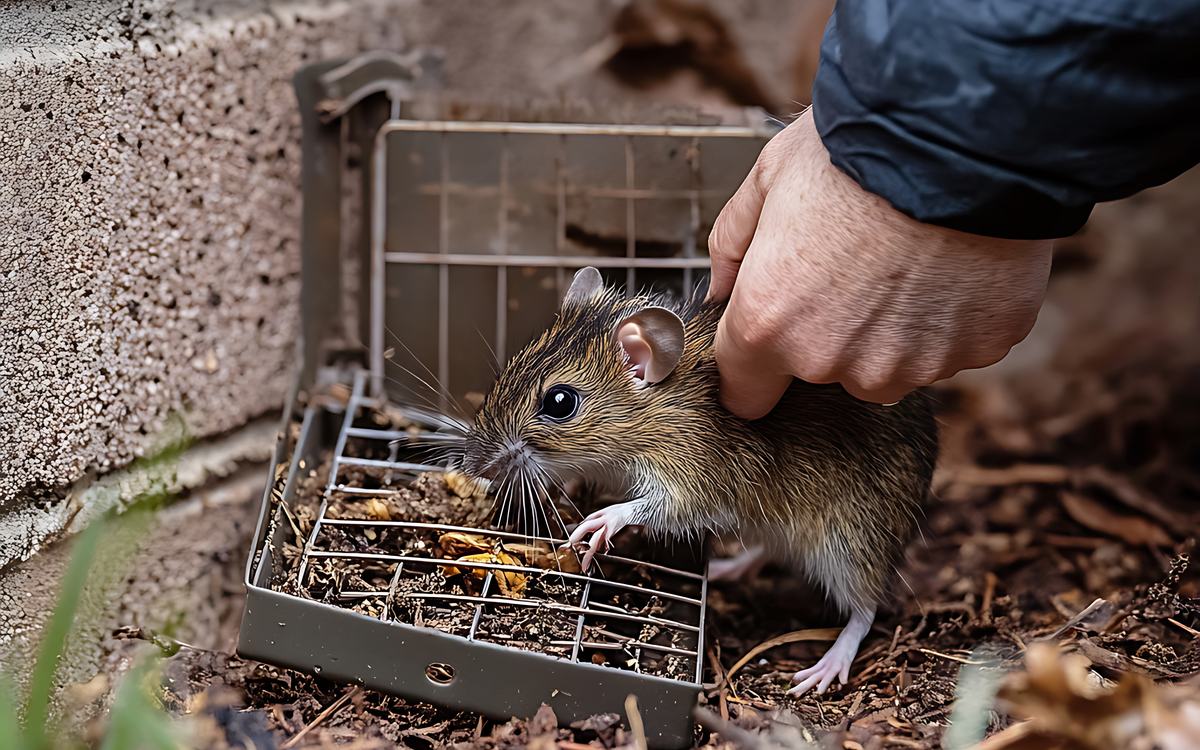
Rats and mice are secretive, and most households only notice them after they have been around for some time. Knowing the early signs gives you a head start.
Warning signs to look for
- Scratching, scurrying or squeaking from walls, ceilings or under floors, especially at night
- Droppings, which are about the size of a rice grain for mice and roughly 10mm long for rats
- Gnaw marks on wood, pipes, cables and food packaging
- Greasy smear marks along skirting boards where they run the same route
- Shredded paper, card or fabric tucked into a nest
- A musty, ammonia-like smell in enclosed spaces
- Pets suddenly interested in a particular wall or cupboard
Rat or mouse?
Size is the quickest clue. Mice are small, with large ears and thin tails, and can squeeze through a gap of around 6mm. Rats are bigger and heavier, with blunt noses and thick tails, and they tend to gnaw more aggressively. Rats are also more likely to be seen outdoors first, near drains, compost and sheds.
Why it matters
- Droppings and urine can contaminate food and surfaces, spreading bacteria such as salmonella
- Rats can carry leptospirosis, which can pass to people through contact with contaminated water or surfaces
- Gnawed electrical wiring is a genuine fire risk
- Chewed insulation and pipes lead to expensive repairs
- Dust from dried droppings can trigger allergies and asthma
Rodents also breed quickly. A female mouse can have several litters a year, so a couple of animals can become a colony in a matter of months.
What to do first
- Do not touch droppings with bare hands
- Wear gloves, dampen droppings and wipe them up rather than sweeping or vacuuming them dry
- Wash hands thoroughly afterwards
- Put food in sealed containers and clear crumbs
- Do not block holes before you know whether animals are inside, as they may chew through or die in the wall
When to call a professional
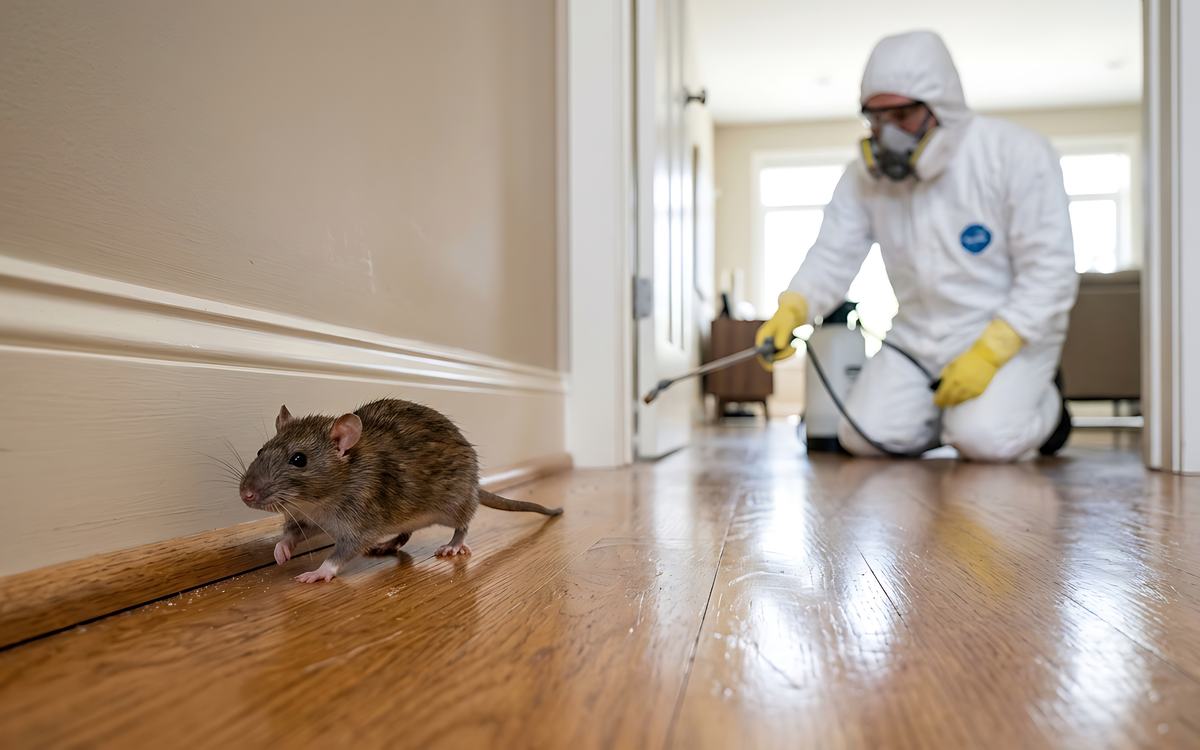
A one-off sighting may be a visitor, but fresh droppings, repeated noises or damage mean the pests have settled in. Our technicians find how they are getting in, treat the infestation safely and advise on proofing. Details are on our rat and mouse control page, and our guide to keeping mice and rats out explains how to stop them coming back.