Ants and Cockroaches · 2 min read
Cockroaches in the Home: Why They Appear and How to Stop Them
Cockroaches are nocturnal, quick to spread and hard to shift. Find out what attracts them and how to break the cycle.
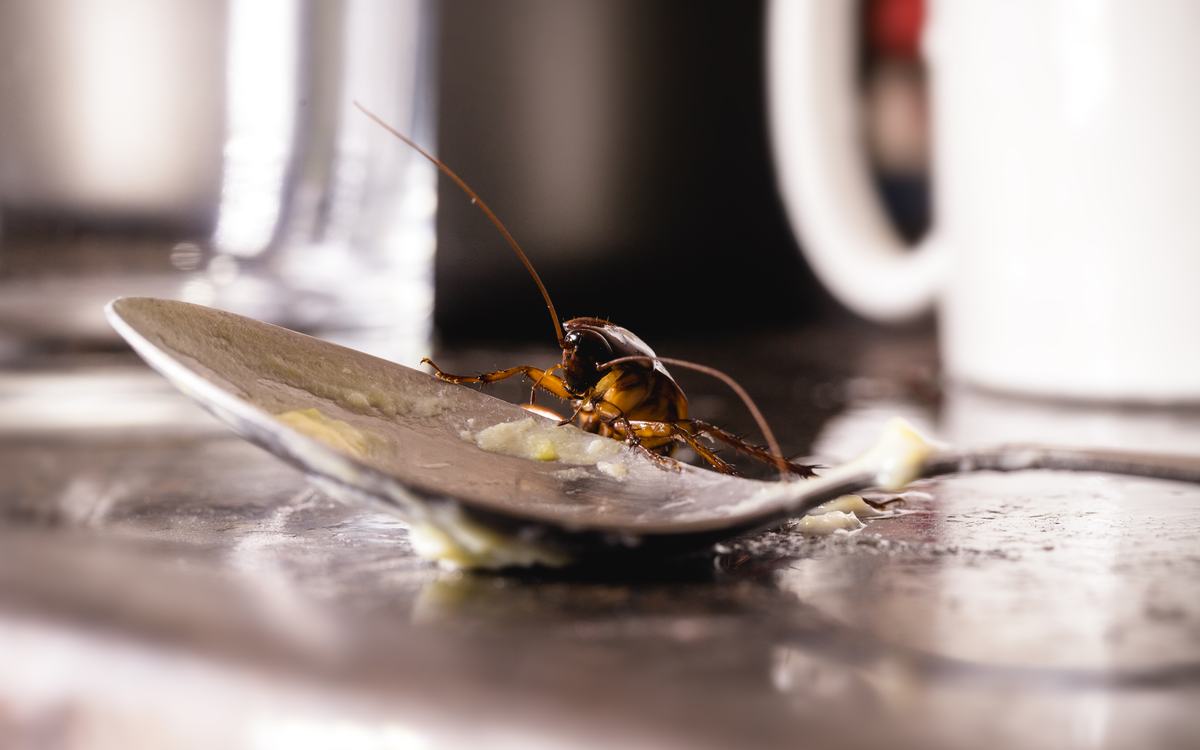
Few household pests cause as much alarm as the cockroach. They hide by day, come out at night and can multiply fast, so by the time you see one in daylight there are often many more nearby.
Why cockroaches move in
- Warmth from boilers, fridges and appliances
- Moisture from leaky pipes, damp sinks and drains
- Crumbs, grease and unsealed food
- Cardboard, paper and clutter to hide in
- Entry through shared walls, pipework, shopping boxes and second-hand appliances
Signs you have them
- Small dark droppings that look like ground pepper or coffee grains
- Brown smear marks on walls or behind appliances
- A stale, musty smell
- Brown, capsule-shaped egg cases
- Shed skins
- Insects scattering when you switch on the light at night
The species you are most likely to meet
The German cockroach is small and light brown with two dark stripes behind the head. It breeds quickly and lives indoors, usually in kitchens. The oriental cockroach is darker and slower, and prefers damp places such as basements, drains and outbuildings.
Why they are a health concern
Cockroaches move through drains and bins before walking over food and worktops, so they can carry bacteria onto surfaces. Their droppings and shed skins can also trigger asthma and allergies, particularly in children.
How to make your home less attractive
- Wipe worktops and sweep floors every night
- Store food and pet food in sealed containers
- Do not leave dishes in the sink overnight
- Fix leaking taps and pipes and dry sinks before bed
- Seal gaps behind units, around pipes and under skirting boards
- Recycle cardboard promptly and keep storage areas tidy
- Take bins out regularly and use lids
DIY or professional?
Gel baits and monitoring traps can help with a small, early problem. If you are seeing cockroaches regularly, or you run a food business, professional treatment is the safer route. A technician identifies the species, finds the harbourage areas and treats them, then returns to check the results. Avoid insecticide foggers, which tend to scatter the insects into new areas.
Our Abingdon team treats homes and commercial kitchens, with clear records of every visit. See our ant and cockroach control page or call us for a free quote. Seeing ants as well? Our guide to clearing ants from the house can help.